Are we Underliving™?
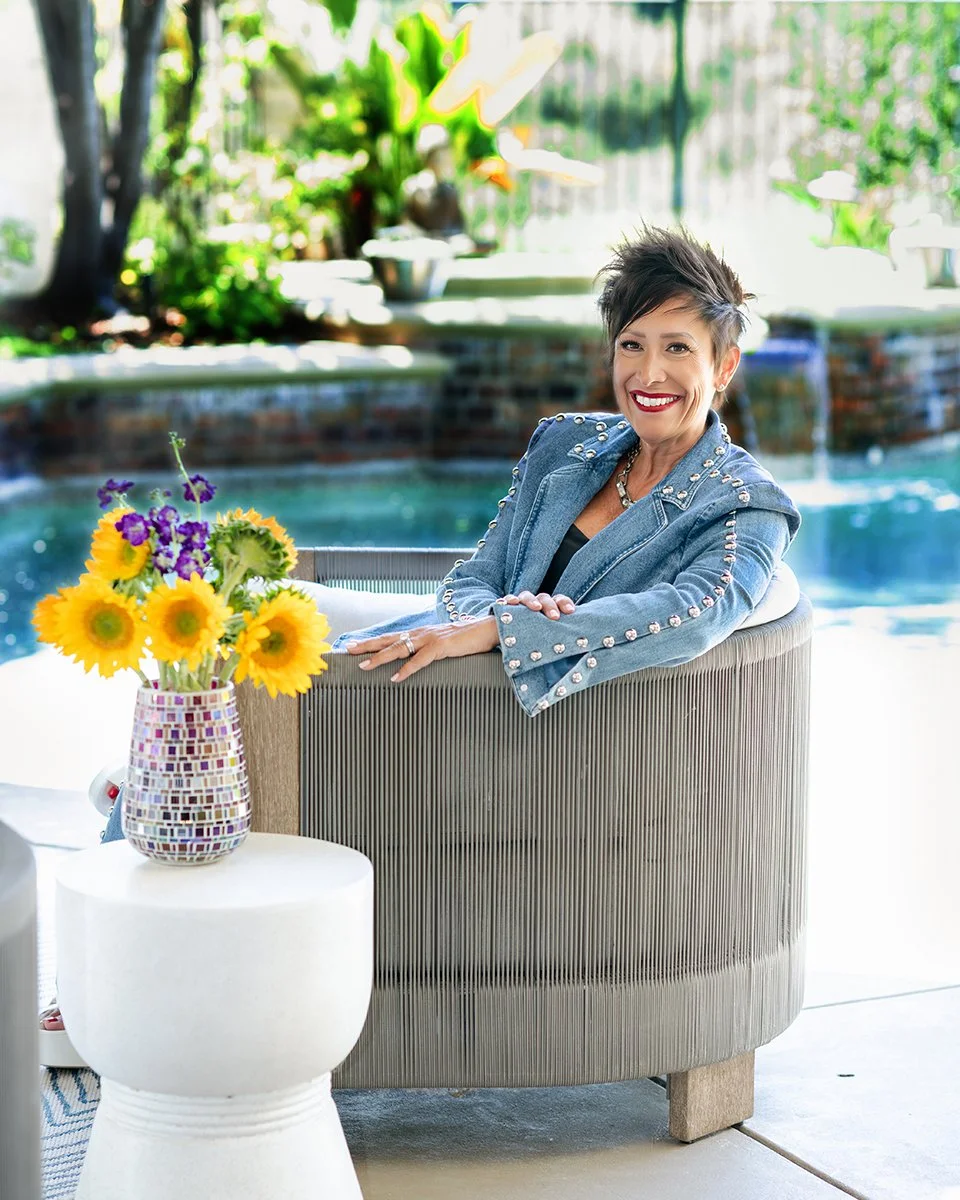
Photo by Tiffany Perry Photography
One of the more fascinating contradictions of modern culture is how many people have successfully upgraded the appearance of their lives while quietly downgrading the experience of living them.
Never before have so many people had access to experiences that previous generations could scarcely have imagined. Extraordinary travel, beautiful homes, exceptional dining, personalized wellness, and opportunities once reserved for a small fraction of society have become increasingly attainable. By almost every external measure, life has become richer, more comfortable, and more customizable.
Yet beneath much of this abundance sits a subtle restlessness that is difficult to ignore.
Over the years, I have found myself in conversation with countless accomplished people whose lives appear enviable by conventional standards. They have built successful careers, created financial security, traveled widely, and surrounded themselves with beauty. They are not searching for more in the traditional sense. What they often describe instead is a curious feeling of disconnection from the very lives they worked so hard to create.
Not dissatisfaction. Not regret. Something more difficult to articulate.
The best way I have found to describe it is Underliving™.
Underliving™ is what happens when building a life becomes more familiar than inhabiting it. It is the quiet gap that can emerge between achievement and experience, between possessing something and fully receiving it, between creating a beautiful life and being genuinely present inside it.
What makes the phenomenon particularly interesting is that it often disguises itself as success. The very pursuits most rewarded by modern culture can gradually crowd out the experiences they were intended to make possible. More responsibility can mean less spaciousness. More opportunity can mean less attention. More abundance can sometimes result in a surprisingly diminished capacity to enjoy it.
Perhaps nowhere is this more visible than in our relationship with luxury itself.
For most of history, luxury was associated with access. Today, access is increasingly abundant. What feels rare is something else entirely: the ability to become fully absorbed in what is already here. To lose track of time during a conversation. To linger over a meal. To sit in a beautiful place without feeling compelled to document it. To experience something before converting it into content, productivity, or proof.
I sometimes wonder whether many of us have become collectors of experiences while spending remarkably little time inside them.
This may explain the quiet hunger that exists beneath so much apparent fulfillment. A beautifully constructed life and a deeply inhabited life are not necessarily the same thing. One can possess extraordinary opportunities while remaining strangely disconnected from the experience those opportunities were meant to create.
In a culture preoccupied with expansion, perhaps the more interesting question is not whether we have enough, but whether we have retained the capacity to fully experience what we already have.
Because the greatest luxury of our time may not be access.
It may be aliveness.
Gina Maier Vincent is the founder of Exquisitely Aligned®, author of Exquisitely Aligned: A Pocket Guide to Your Magnificent Future, and creator of Underliving™, a philosophy exploring the gap between building a life and fully experiencing it.