
From Pour to Performance: Exploring the Craft of Bartending
By: Dillon MacNally
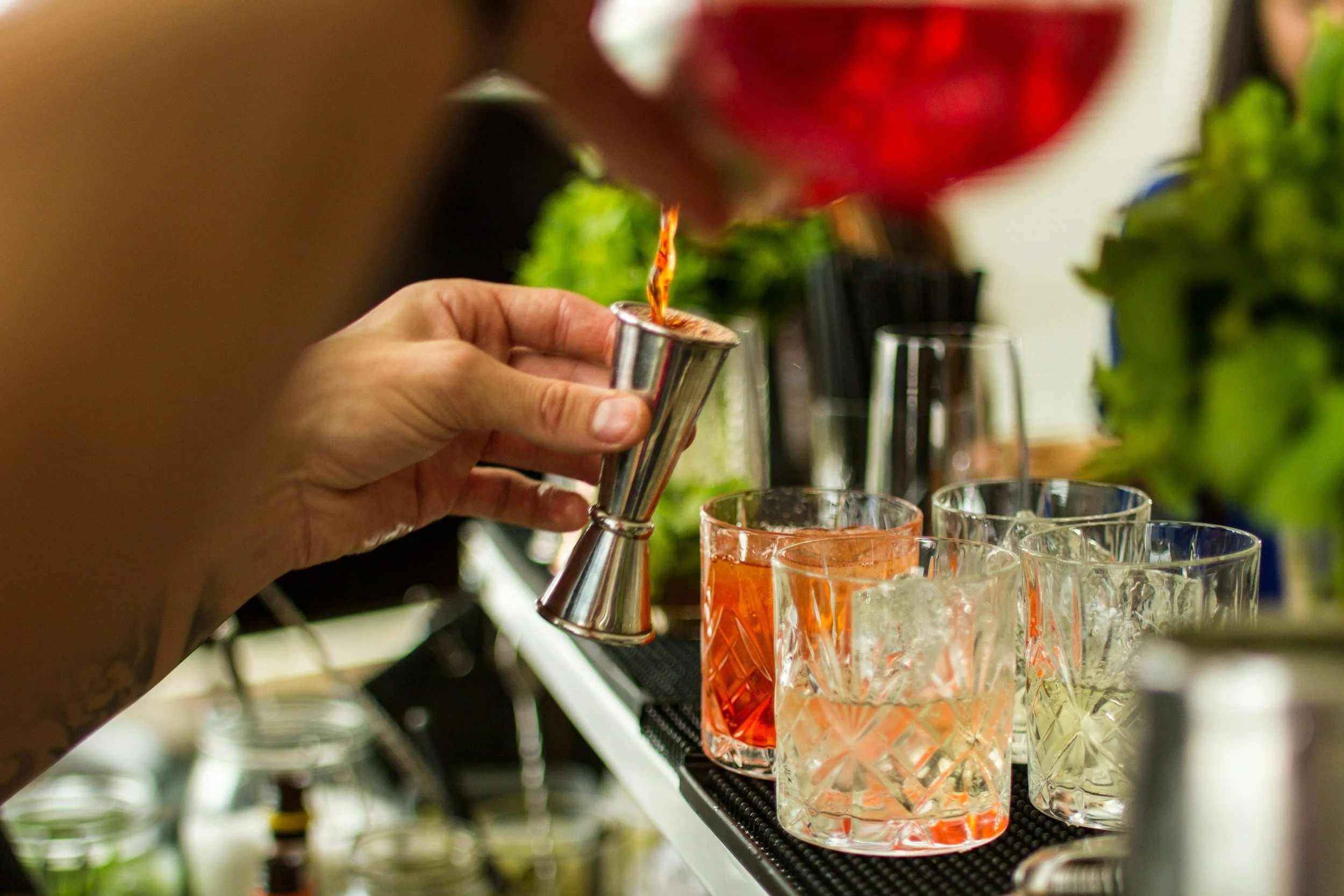
Bartending is no longer simply about serving drinks. Today, it has evolved into a refined craft, blending creativity, precision, hospitality, and even performance. Across the globe—from bustling city bars in New York to serene coastal lounges in Newport Beach—bartenders are redefining what it means to mix a cocktail. They are storytellers, performers, and artisans, transforming the act of making a drink into an experience that delights all the senses.
The Evolution of Bartending
Historically, bartending was often considered a temporary or low-skill occupation. Many entered the profession out of necessity, without formal training, and the role was largely functional: take orders, pour drinks, and keep patrons happy. However, the last few decades have brought a dramatic transformation, driven largely by the craft cocktail movement and a growing appreciation for mixology as an art form. Aspiring bartenders now often enroll in a local bartending school to gain professional training, master essential techniques, and explore the artistry behind creating exceptional cocktails.
Today’s bartenders are professionals who understand the intricate science behind their creations. They study spirits, liqueurs, and infusions; master the techniques required to balance flavors; and explore the visual and aromatic elements that elevate a drink from simple refreshment to a full sensory experience. Coastal bars in California, rooftop lounges in Singapore, and boutique cocktail bars in London all demonstrate this evolution, showing that bartending is truly a global craft.
Skills That Define a Bartender
Becoming a skilled bartender requires more than knowing how to pour a drink—it demands a multifaceted skill set. Some of the most important skills include:
Mixology Knowledge: Understanding the history of classic cocktails, flavor pairings, and innovative techniques is essential. Bartenders study spirits from around the world, learning to blend flavors harmoniously while experimenting with new combinations.
Customer Engagement: Beyond drinks, bartenders are hosts. Building rapport with patrons, remembering preferences, and creating a welcoming atmosphere are integral to the role. A bartender’s personality can define the vibe of an entire bar.
Performance and Flair: Many bartenders incorporate theatrical elements into their craft. Flair bartending—juggling bottles, performing flips, and crafting cocktails with showmanship—is one way to entertain patrons while serving. Even without flashy tricks, the careful movements and deliberate presentation of each drink can feel like a performance in itself.
Efficiency and Organization: Bars can be hectic environments. Managing multiple orders, maintaining cleanliness, and keeping supplies stocked all require multitasking and excellent organizational skills.
Sustainability Awareness: Increasingly, bartenders are adopting eco-conscious practices, such as sourcing local ingredients, minimizing waste, and using biodegradable straws or reusable glassware.
Bartending as Performance Art
In many ways, bartending is performance art. Each movement behind the bar—from shaking a cocktail to placing the perfect garnish—is deliberate, creating a visual rhythm that complements the flavors in the glass. Patrons watch, interact, and even participate, turning a simple drink into a shared experience.
Events like international cocktail competitions, local mixology festivals, and even smaller-scale bar showcases highlight the artistry involved. Bartenders are judged not only on taste but also on creativity, presentation, and engagement. This performance aspect ensures that a night out is more than just drinks; it becomes a memory.
Bartending and Culture
Bartending is deeply tied to local culture. Ingredients, techniques, and even drink presentation often reflect the identity of a city, region, or country. For instance, a bar in Mexico City might feature tequila-based cocktails with fresh tropical fruits, while a London speakeasy may showcase gin-focused cocktails with botanicals sourced across Europe.
Bartenders also serve as cultural connectors, creating spaces where people from diverse backgrounds meet and interact. They foster communities, spark conversations, and shape social experiences. In Newport Beach, for example, bartenders help capture the city’s coastal, relaxed elegance through citrus-forward, beach-inspired cocktails, while in Chicago, bartenders may emphasize robust, spirit-forward drinks that mirror the city’s bold culinary scene.
Trends Shaping the Future
The craft of bartending continues to evolve, with emerging trends shaping the way drinks are made and served:
Sustainability and Local Sourcing: Bartenders increasingly prioritize locally grown, seasonal ingredients, reducing carbon footprints and creating flavors that reflect the region.
Technology Integration: From digital menus and contactless payments to smart cocktail machines, technology is changing how bartenders interact with patrons and streamline service.
Experiential Focus: Patrons now seek personalized and interactive experiences. Bartenders craft bespoke cocktails, offer tasting flights, and provide insights into the history and inspiration behind each drink.
Global Influence: The fusion of international techniques and ingredients has expanded flavor possibilities, inspiring creative combinations that celebrate cultural diversity.
Bartending as a Career and Lifestyle
For those drawn to it, bartending offers a career full of creativity and opportunity. Beyond the technical skills, it teaches adaptability, people skills, and the art of observation. Many professionals also choose to work as event bartenders, serving at weddings, corporate gatherings, and private parties, which allows them to expand their skills and gain exposure to diverse environments. Experienced bartenders often transition into roles such as bar managers, beverage directors, or even consultants for emerging bars worldwide.
Moreover, the craft fosters a sense of pride and accomplishment. Creating a cocktail that delights a customer, earns praise, or becomes a signature offering can be immensely rewarding. The combination of artistry, performance, and connection makes bartending not just a job, but a lifestyle for many.
From the initial pour to the final flourish, bartending has transformed into a respected craft, one that merges artistry, science, and human connection. Bartenders across the world—from intimate local bars to high-profile cocktail lounges—are storytellers and performers, shaping experiences and memories that go beyond the glass.
The craft continues to grow and evolve, driven by creativity, sustainability, and a commitment to delivering unique experiences. Whether in Newport Beach, New York, or anywhere in between, bartenders remain at the heart of social culture, proving that every drink served is not just a beverage—it’s a performance, a story, and a shared experience that lingers long after the last sip.