
From a Dream to Reality
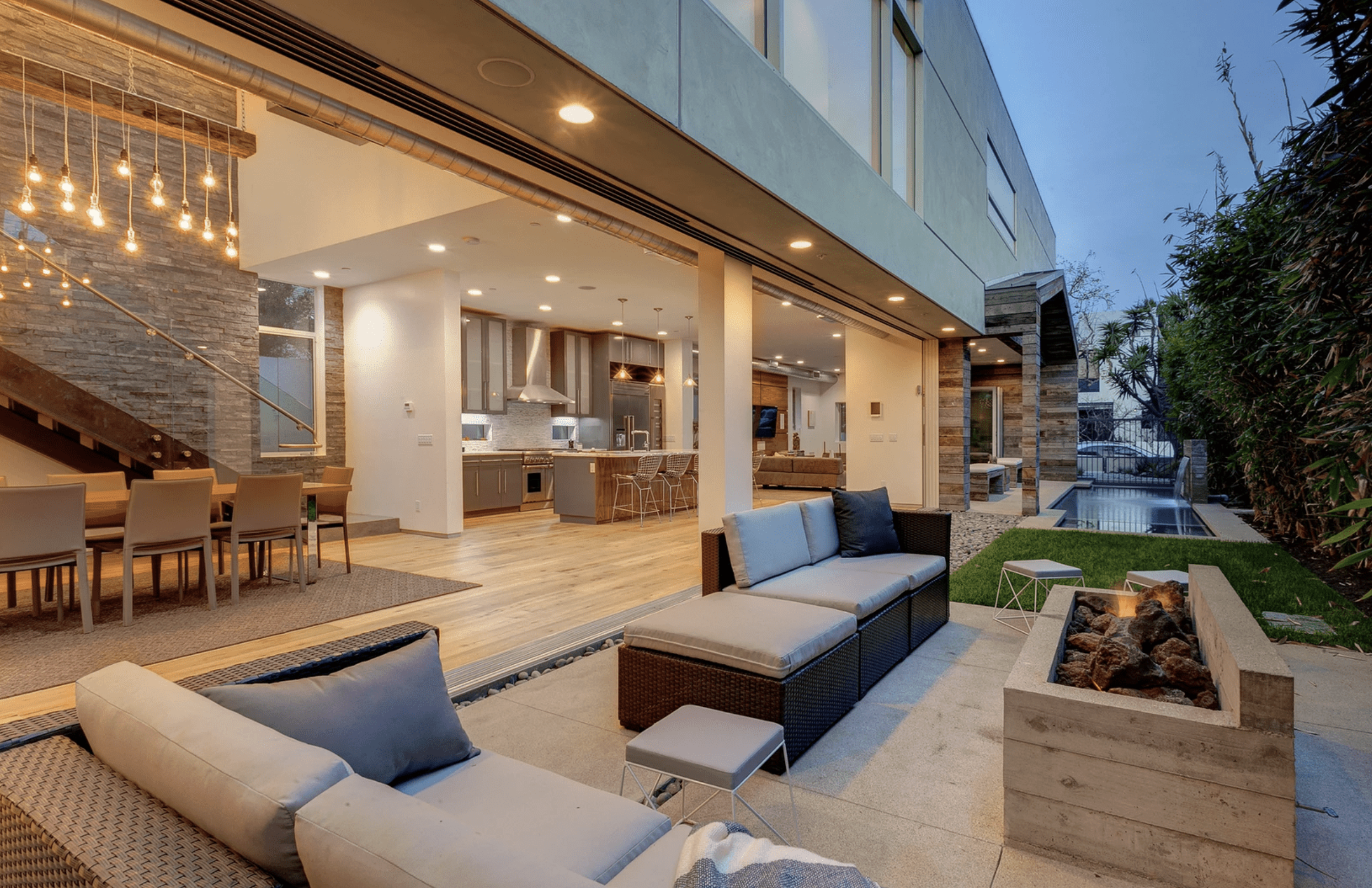
Photo Credit: Neptune Co.
In Newport Beach, a custom home is never just built — it’s carefully considered. From the first conversation to the final walk-through, the process is layered, intentional, and deeply personal. Coastal regulations, architectural integrity and craftsmanship all play a role in shaping homes that feel effortless yet enduring. While I can write a book on this topic, today I'll walk you through a quick overview of the custom home building process
Step One: Lot selection, Budget and Site Evaluation
Every new home starts with the land itself. Maybe you’re replacing an old cottage or building on a brand new lot—either way, you’ll want to know exactly what’s possible. Things like zoning, height limits and coastal rules can change your plans, sometimes dramatically! Picking your lot is a huge decision. In neighborhoods like Newport Heights, Lido Isle and Eastbluff, it’s about more than just size.
Budgeting is just as important. Factor in the price of the land, design, permits, building costs and a little extra for surprises. Being honest and thorough here sets you up for success.
This phase is where you want to start hiring your interior designer, architectural company and general contractor. Make sure you work with a team familiar with city planning nuances early—often before a property is purchased—this helps avoid costly surprises and ensures the home’s potential is fully understood, to ensure the home is structurally sound and code-compliant.
Step Two: Designing with Intention
The process begins long before the first foundation is poured. It begins with a conversation, an intentional effort to understand not just how a homeowner wants to live, but how they dream of living. This kind of connection forms the foundation of every successful new build in Newport Beach. Working together, architects and designers interpret the homeowner’s vision into conceptual plans, balancing aesthetics with local regulations. These concepts are refined into detailed drawings that define layouts, elevations and material selections. They translate lifestyle goals into thoughtful layouts - spaces that flow naturally, invite light, and blur the line between indoors and out. Curating a timeless design often favors restraint: clean lines, natural materials and floor plans that won’t feel dated by the time the paint dries.
Simultaneously, engineers develop structural, mechanical, electrical and plumbing plans. In California, homes must meet Title 24 energy standards.
Step Three: Plan Submittals and City Permits
Before construction can begin, plans must be submitted to the city for review. Permitting is often the most misunderstood phase of a new build. You’ve heard that patience is a virtue…in this phase you will be tested! Plans are reviewed by multiple city departments to ensure safety, compliance and alignment with community guidelines. This phase can be time-consuming, and this is why it is essential to hire a good architect and designer that can create plans that the city approves without too many corrections. This plan check process involves multiple departments, including Planning, Building, Fire and Public Works. It’s common for the City to issue comments requiring revisions, which are addressed by the design team and resubmitted for approval.
Once all comments are resolved and fees are paid, the building permit is issued. Secret hack, hire an expeditor. These are firms that specialize in pushing plans through the city based on their relationships with city officials, and their understanding of local codes. Expeditors are typically only hired by spec home developers, but you can hire them too!
Step Four: It's Go Time!
Finally! The permits have been issued, now construction can begin! Preparing the site starts with demolition (if applicable), grading and utility coordination. From foundation and framing to mechanical systems and finishes, the home is starting to take shape. All of that hard work and money spent is finally starting to produce rewards. This is where craftsmanship and experience matters most. Coordinating trades, managing timelines, maintaining budgets and above all, ensuring quality while bringing your vision to life requires steady, meticulous oversight.
Throughout construction, City inspectors visit the site at key milestones… I.E. foundation, framing, electrical, plumbing, insulation and final completion, to verify compliance with approved plans and building codes.
Step Five: Final Approval and Move-In
After the final inspection is approved, the home receives a sign-off from the City, and the homeowner receives their Certificate of Occupancy. You're almost there! Now is when your logistics of furniture, window coverings and accessories come into play, your design team takes care of this. This journey concludes with move-in day. What began as a vision on paper becomes a thoughtfully crafted residence designed for your life in mind.
In Newport Beach, the most successful new homes don’t chase trends or shout for attention. They’re rooted in thoughtful design and careful execution. From teardown to timeless, the journey may be complex, but the result is a home crafted not just to live in, but to live well.
Newport Beach Build & Design Firm | www.neptuneco.net