Duffy Chats with Marshall “Duffy” Duffield – The Inventor Who Changed Harbor Life Forever
Join us on this special maiden voyage of Duffy Chats as we cruise Newport Harbor with none other than the legendary Marshall “Duffy” Duffield — inventor of the world’s first Duffy electric boat, former mayor, and two-term Newport Beach councilman.
Duffy shares the surprising story behind his iconic creation, including how the boating world first reacted (and the early years when people laughed at the idea of an electric boat). He also recounts the moment he realized the Duffy was becoming a coastal lifestyle staple. From a handful of boats a year to a global symbol of effortless harbor cruising, this is a conversation filled with history, heart, and a little humor.
Sit back, enjoy the harbor views, and hear firsthand how one local idea sparked a movement. Subscribe to see more from Duffy Chats, featuring local creators, entrepreneurs, innovators, and community leaders.
Follow on Instagram:
Duffy Chats: / officialduffychats
Newport Beach Living Magazine: / newportbeachlivingmagazine
Duffy Electric Boats: / officialduffychats
Zaw Studios: / zawstudios
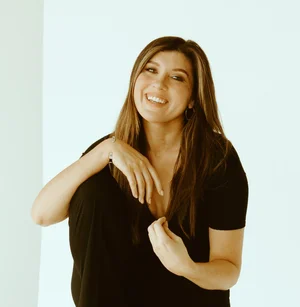
Kim Whitney: Welcome to the very first episode of Duffy Chats with Newport Beach Living and Duffy Electric Boats. I'm your host, Kim Whitney, and this is my co-host, Manny Huntsman.
Manny Huntsman: Hi everyone. We're getting the party started right here on our beautiful Newport Beach Harbor.
Kim Whitney: Today we'll be chatting with Marshall aka Duffy Duffield. He is the creator of the iconic Duffyboat as well as one-time mayor and two-term city council member. We're going to be diving into all those questions. We're going to ask him how he created the Duffy Boat as well as where the Duffy Boat is going. So, come along for the ride. So, take us back to the beginning. Tell us how this idea came about.
Marshall "Duffy" Duffield: Well, the uh our motivation to make this um silly craft was reliability. And in the 60s there were no microprocessors or no computers and your car, anything mechanical wasn't very reliable and needed a lot of maintenance. So on the water when spring would come, we'd jump in our boats to try to go. they wouldn't work and there's just too many parts that are just in the way. So, the idea was when I um was talking to my dad about this uh we were talking about golf carts and he happened to be a great golfer, scratch golfer, played golf with five presidents.
Kim Whitney: Wow.
Marshall "Duffy" Duffield: And when I mentioned the golf cart, he said, "Well, I've never been in one that didn't work." Mhm. So that's the main reason why we did it. It was not for any other reason. No, we didn't want to start a company. We didn't think we'd we didn't even consider selling a boat. Matter of fact, they told us it wouldn't work. They said that you'd run out of energy after a few minutes. And so a golf cart is much different than a boat in terms of drag. So, um, they told us, "No, it it's, uh, it's a it's a dumb idea."
Kim Whitney: So, the first time that you took it out is when you knew it worked just that easily.
Marshall "Duffy" Duffield: Well,
Kim Whitney: or is it a little harder than that?
Marshall "Duffy" Duffield: Well, the we didn't really discover it wouldn't uh work until we went to the guys that make the propeller and those were the in this community, this is a boating community. They were the ones each one we went to would give us this sad story that oh you should have come to us sooner. Um uh we would have told you that yeah it'll go for a little while and then it'll run out of juice. Well, when we ran the first boat um the first day, um it went all the way around Leo Island from Linda Island and that uh and then it ran the next day and the next day. So, they were wrong. Yeah. Yeah. Well, that's what kicked started off the whole thing was, wow, this really works. And that's how it started.
Kim Whitney: So, was there a special moment, like a specific moment when you realized that you were on to something when it started becoming popular and catching momentum here in the community?
Marshall "Duffy" Duffield: That was many, many, many years later. It was not popular for the first 10 years was um I only made one or two boats a month. And um people just laughed at the boat. Um the idea of electricity powering a vessel was foreign to anybody. And so the the idea was that it's it's akin to your kids uh bathtub toy. No kidding. I mean, they would just say, "I don't want a toy boat." And so that we were faced with that. Wherever we went to sell the boat, people just went, "I don't want something like that. There's not enough power." Okay? And and so we fought that for four decades until the electric car came.
Kim Whitney: Oh, okay.
Marshall "Duffy" Duffield: And once once the um well the electric car didn't come first, it was the hybrid. Once the hybrid was accepted, that changed the whole perception um globally of the power because if all of us have now been in electric cars, they're better than a gas car. They go my del my Tesla goes so fast I don't even want to go that fast. Okay. So the performance is actually better than a combustion engine. But when I started the perception was the opposite. There were no computers and there were there were no hybrids. There were no electric. The only thing that was electric was golf carts, scissors lifts, wheelchairs and forklifts. That's it.
Kim Whitney: So, so did you ever imagine that the Duffy boat would become such a symbol of the Newport lifestyle?
Marshall "Duffy" Duffield: No, absolutely not. Um, we had no intention of even selling one. We were It wasn't going to be a business. So, no, we I remember the first time I saw sitting on u our beach on the bay um and I saw two of them go like that.
Kim Whitney: Wow.
Marshall "Duffy" Duffield: Wow. There's so many of them that one went one way and one went the other way. And then I remember seeing like three of them one time. Wow, there's three. Uh and and so did I have any idea it would grow like that? No, but it took a long time. So it's this isn't I mean 1970 was a long time ago, right? Um, but to today the amount of boats that are in this harbor, we're 30 33% of the boats in this harbor are dumped.
Kim Whitney: Wow, that's incredible. It's exciting. I had no idea that would ever happen. So, I feel like anyone that comes to town, that's the first thing that you do to show off our harbor and what our community is is run a Duffy boat and come show your friends and family. It has become very popular. So I often wonder if I hadn't invented this boat, would this harbor be the same in terms of that?
Marshall "Duffy" Duffield: Yes. Cuz those were the kinds of boats we all went around outboards, you know, whalers, open boats, not enclosed boats. It's like a party on the sea.
Kim Whitney: So beautiful and fun to entertain in. So the design has evolved, but you like to keep um the traditional aspects of the first Duffy. How do you balance innovation with keeping tradition?
Marshall "Duffy" Duffield: Well, the funniest part about the design is um my mother uh was an interior designer and she came up with this top with the um the scallops and the dingo balls and then she came up with the window idea. But her biggest uh improvement was when we the very first boat was divided in two sections by a gas engine. It took up 30% of the interior. All boats had that. Nobody had electric. Electric is the size a little bit bigger than a shoe box.
Kim Whitney: Mhm.
Marshall "Duffy" Duffield: So we remove this huge machine. Now your boat is completely different. Well, my all boats used to have seats that went acrosswise. Well, my mom saw how little the motor was and she had the seats go this way. This is the first time on any boat to do that. And then we put a table in the middle. So, essentially, we're just a a a social event that's pointed at one end, right? That's what we are. Yeah. And um it's all I claim everything to her because um certainly I was more um you know I'm a guy's guy man. I want to I want to look masculine. I don't want So when she I came down to the boat and she has this guy making this top and then she puts dingle balls around the edge of it. Um that was not
Kim Whitney: your vision of
Marshall "Duffy" Duffield: my vision. And but her biggest thing, I think better than all all of the above, is the fact that she could get all dressed up.
Kim Whitney: Mhm.
Marshall "Duffy" Duffield: Oh, this guy's wanting me to do this. Um she you could get all dressed up and go to um a waterfront restaurant, come out of it at 9:30 at night is when it's wet and cold and miserable, and get into a nice dry little boat.
Kim Whitney: Yeah.
Marshall "Duffy" Duffield: and and not be open and cold and wet. And that and these windows, I'm going to say, are the I think the prime reason people enjoy Duffy's because I'm going to say 90% of the time on this bay, it's a little windy and a little chilly. Even in the middle of summer, it can be like that.
Kim Whitney: Oh, you'll get a heat wave and you don't need the windows, but they're far and few between.
Marshall "Duffy" Duffield: So the window um along with the the social interior design is all driven by um my mom, not me. And I can assure you the most Well, I'm going to say 97% of my customers do not buy the boat because it's electric. They do not.
Kim Whitney: No,
Marshall "Duffy" Duffield: they buy it because it's functional. And oh, by the way, it's electric. That's a sidebar.
Kim Whitney: Do they want the dingleberry still that we're hanging out?
Marshall "Duffy" Duffield: They want they want the social interaction, the social ability to be comfortable and quiet. See, in a gas, you you couldn't we couldn't be talking like this. There would be this engine rumbling. And so, this makes it um completely unique, but obviously can't go very fast.
Kim Whitney: Yeah. But it's I mean look you've created a gathering place on the water which is pretty incredible. So over the years there's a lot of people have you know bought boats taken them out for rental. What tell us is there a story that stands out some interesting
Marshall "Duffy" Duffield: Well I I like to tell this one. This is actually very true story. Um, hard to believe, but um I'm standing at an event at our yach club and uh there's this girl that's um talking to someone and and they keep calling her Duffy and I after a while I finally just went over to her, are you uh is your name Duffy? And she was probably 25ish, brunette, very attractive. And and I said, "You're your name Duffy?" And she said, "Yes." And I said, "No, I'm Duffy." And she kind of laughed and didn't No. But And I go, "So what? How did this happen?" Oh, no. So she's And I said she's I say she's about 25ish and she changed her name. It used to be Duffy was her middle name and she moved it to be her first name. Well, turns out her parents got married at the yach club we were at many years ago. 25 to be exact.
Kim Whitney: Wow.
Marshall "Duffy" Duffield: Know where this is going. And so she went on to say that this is where they had their um wedding uh party and at the end of the party they drove off in a Duffy and nine months later I came along.
Kim Whitney: Oh my gosh, that's a great story. That's a good one.
Marshall "Duffy" Duffield: So that you kind of go, "Yeah, I could see that maybe."
Kim Whitney: That's cute. That is cute. Very cute. So, you and your family are such a big part of our community here in Newport Beach. How has new uh how has this business shaped the culture here in Newport Beach?
Marshall "Duffy" Duffield: Well, that's a tougher question. Um um as it affected on my business is um obviously very dependent on uh uh weather and um many things but the demographics of Newport Beach are very unique and there are not a lot of Newport Beaches around. You have to have a patrolled 5 mph speed limit. Our boats don't do well in San Diego Bay where there's no limit of speed. And then you need to have something to look at. You can't just have blah. Um and then it's very important to have a destination like a restaurant um to go enjoy. And not a lot of places have all of those those things. It also helps that homes are zillions of dollars.
Kim Whitney: Yes.
Marshall "Duffy" Duffield: U and and so these boats are not inexpensive. They're hard to make. There's a lot of parts to them. They're not cheap. U and so you have to find places where people have the whereabouts to to afford them. And that has really been that's what drives the the whole business I guess for the most part.
Kim Whitney: And now you have the family involved in the business.
Marshall "Duffy" Duffield: Yes.
Kim Whitney: And um what do you feel about that with carrying your legacy forward?
Marshall "Duffy" Duffield: Well, um there's no owner's manual for that and it's been challenging and but the two boys have their talents. They're very different from each other and that helps a lot. And so as we grow, we're all finding our our ways. But um you know, I never started this to give it to my kids and I'm not giving it. They're working. they're earning it. But but uh no, this whole idea of of the children getting involved is a whole another level. I never dreamed of envisioned that.
Kim Whitney: So you served as Newport Beach's mayor in 2018 and then also served two terms as a council member here in the city of Newport Beach. What is your continuing lifelong commitment to our community here?
Marshall "Duffy" Duffield: Well, don't forget the 10 years on the Harvard Commission and that's really that's really what started it. Um, when Gene Watt asked me to be on this new thing called the Harbor Commission, our harbor never had a a commission, all the other harbors along the West Coast did, but not us.
Kim Whitney: We're the Wild West.
Marshall "Duffy" Duffield: Yeah. And so that was 2002, I believe. And uh that kind of after 10 years of doing it, I realized I wasn't getting anything done. Um, and everybody kept saying, "Well, you know, if you want to get something done, you got to go get elected."
Kim Whitney: I see.
Marshall "Duffy" Duffield: Oh, I'm a boat guy. I'm not I'm not a politician. But we had some serious serious issues with our harbor going on. And it was very easy to get behind them. One is the management. There was no management of the harbor. the the safety and security of our harbor is done by the county sheriffs. They don't regulate or or enforce our rules and rags to run the bay. So, it was just the wild west out here basically. Now, we have I'm very proud to say we have the beginning of a good harbor department. It's going to grow uh with more employees, but but we now have organized the harbor. It's not the Wild West anymore. And we're This is a really fun place. It's not grass. It's not a park, but it is a park. It's just water. It's There's no difference between this and a beautiful park. And parks are where you have fun. So, we don't we're not trying to manage the harbor like the stopos or something, right? we just you may not know this but you should be try this way and try to because a lot of these folks don't know the rules
Kim Whitney: right right
Marshall "Duffy" Duffield: and so the our harbor department is I'm very proud of them they work diligently to not arrest everybody but go hey you might want to know gentleness probably should yeah try this precise and that that's um I'm very proud of the other one is fact that u there were 250,000 homes built up upstream of us uh impacted our harbor uh in such a way that it filled it up with sediment sand.
Kim Whitney: Wow.
Marshall "Duffy" Duffield: And so now we can't navigate anymore. So for the last 50 years we've been trying to manage dredging it.
Kim Whitney: Yeah.
Marshall "Duffy" Duffield: And it's been a real battle. But we now I won't bore you with all the stats, but I'm so excited. In a few days, we're going to begin our final dredge of this harbor to get it to its original design depth.
Kim Whitney: Wow.
Marshall "Duffy" Duffield: Uh in 1938 of of 25 ft. And that will flush the harbor twice a day um and and increase the uh nutrients that are in the water and remove the bad stuff.
Kim Whitney: That's incredible. Um, we had in 2012 we had the beginning dredge of this. Took out a million cubic yards. This will be another million and a half. When I was a boy, I lived on the bay and we ate clams out front of our house. I would venture to say if you asked anybody here, would you eat a clam on the
Marshall "Duffy" Duffield: No way.
Kim Whitney: No way.
Marshall "Duffy" Duffield: Not a chance. So, but with removing this material, we will begin um the process of uh flushing out all the bad stuff and bringing in more nutrients, which we've proven in 2012. We now have species of fish that haven't been here in years coming back. And eelgrass seaweed is growing prolifically. Um, and so I'm very excited about the dredging and the management uh of our harbor.
Kim Whitney: That's a huge accomplishment. Clam parties are going to be happening again. Um, is there anything else outside of the harbor with our city that you think needs attention?
Marshall "Duffy" Duffield: Well, obviously I'm not too big a fan of more a lot more residents,
Kim Whitney: right? Pretty crowded.
Marshall "Duffy" Duffield: I agree. So, I I have to say I'm um I'm the face of a of a charge to try and um submit a little smaller number to the housing element. Um and rethink that number, please. Um because having upwards of 30,000 more people in our town, all
Kim Whitney: a little bit much. We appreciate your efforts.
Marshall "Duffy" Duffield: So, I'm hoping we can get to the table and come up with a little more reasonable number. Yeah. But other than that, um I'm not well, excuse me, I'm still involved in the Harbor Foundation.
Kim Whitney: Yes.
Marshall "Duffy" Duffield: Which is involved with the harbor. This is a a foundation we started to raise money in case there's an asset that needs to be purchased or something that costs money that's a good project for the harbor doesn't have to come out of the city coffers because I would say a lot of people would argue um this is for rich people the elite rich in their boating world and doesn't sell well um so to be a little more fair. We could have the people who use the harbor participate in purchasing things for the harbor. That's got kind of the idea behind it. Um and obviously we do want the city to participate because it does enjoy a huge benefit.
Kim Whitney: Yeah.
Marshall "Duffy" Duffield: Um the revenues that the this harbor generates is $1 billion. 600 million indirect and 400 million direct. So, it's a big deal
Kim Whitney: each year
Marshall "Duffy" Duffield: for each year and and it's a big deal and this um is very important to manage and maintain the harbor. Um but a lot of times our council uh may may not enjoy boating as much as we all do.
Kim Whitney: Yeah.
Marshall "Duffy" Duffield: And there's nothing wrong with that, but they need to not lose sight of the crown jewel of our that makes us Newport. That's that's all I'm hoping for the future.
Kim Whitney: Sounds good. Great. So, you've accomplished a lot over a few decades, but um what's next for you and what's next for the Duffy brand?
Marshall "Duffy" Duffield: Well, um there's some uh exciting future for um electric products uh because of the fact we've got the price of the lithium battery dropping and so they can go a little faster. People are always asking, can I go a little faster? Go. No, can't go a little faster. But um places like Lake Arrowhead um it's only 2 and a half miles long and a mile wide. That's a perfect place for a fast electric that um eventually will run out of juice. But um you just come into shore and plug it in. You can go. I don't believe the future is the ocean. There's not going to be electric boats running around in the in the ocean um in my opinion for very long. But there's hundreds and thousands of lakes that um small lakes that could could really enjoy that kind of um boating. Um and we want to uh offer something that's super quality and affordable and and no one is doing that right now. So that's that's really the the future. Um then I'm trying to think of some one other thing I was trying to wonder that just went right out.
Kim Whitney: That's all right. All right. So, more the expansion aspect for the Dutch.
Marshall "Duffy" Duffield: Oh, well there. Okay. So, there's there is an issue with how these boats now are becoming quite expensive.
Kim Whitney: Mhm.
Marshall "Duffy" Duffield: Like cars and everything. It's it's shocking houses. Um so to make them more affordable, I think the the future is going to be people will be sharing boats, boat boat type clubs. So you might uh we'll put together a a way that you can enjoy a boat and you don't have to buy it,
Kim Whitney: right? You think that you'll create that like renting it. You It's It's almost like owning.
Marshall "Duffy" Duffield: Yes, I think that's
Kim Whitney: I like that idea. We can do that.
Marshall "Duffy" Duffield: Yeah, it'll be your first sign up. That's the future cuz really you can't use it enough really to
Kim Whitney: Right. Agree.
Marshall "Duffy" Duffield: This is easily sharable.
Kim Whitney: So wonderful. So, one of my favorite things is cruising the harbor and seeing all the creative names that people name their Duffy boat. What is your boat's name? And then what are some of the creative ones you've seen?
Marshall "Duffy" Duffield: Well, end of Leo over there, there was a boat for many years called Dice Spark and Farter. I'm not sure what that means, but that and it was it was in prime location. So, everybody saw that. But that was that was kind of funny. Yes. I have no idea how these people keep coming up ideas because we it took us many years to name our boat. Um I wanted to name it Passing Gas.
Kim Whitney: Oh, that's funny.
Marshall "Duffy" Duffield: And my wife didn't like it and my daughter was yelling at me, "No, that's terrible." And and so we for many years had no name on the back. But now they have um voted that it be named Waterman.
Kim Whitney: Waterman. Oh yes, I love that. W A T. That's so good. So good.
Marshall "Duffy" Duffield: I still like passing like this.
Kim Whitney: I know. Passing is funny. Every little kid would just crack up every time. That's fantastic. Well, thank you for joining us today on Duffy Chats.
Marshall "Duffy" Duffield: You're welcome.
Kim Whitney: And on our maiden voyage.
Marshall "Duffy" Duffield: Voyage. Yeah, this has been a fun wish you luck in the future and hope hopefully this will be a fun thing. I know it will be for people to watch.
Kim Whitney: Definitely. Thank you, Duffy. Very cool.
Marshall "Duffy" Duffield: Thank you. You're welcome.
Manny Huntsman: Thank you.
Kim Whitney: Thank you so much for joining us today and thank you to Mr. Duffield for giving us such a timeless treasure that's become such a huge part of the Newport Beach Harbor. And to everyone who watched today for our maiden voyage, thank you. And please be sure to follow us on Instagram and YouTube. See you on the water next time.