
Learn About Low-Dose Radiation Therapy (LDRT)
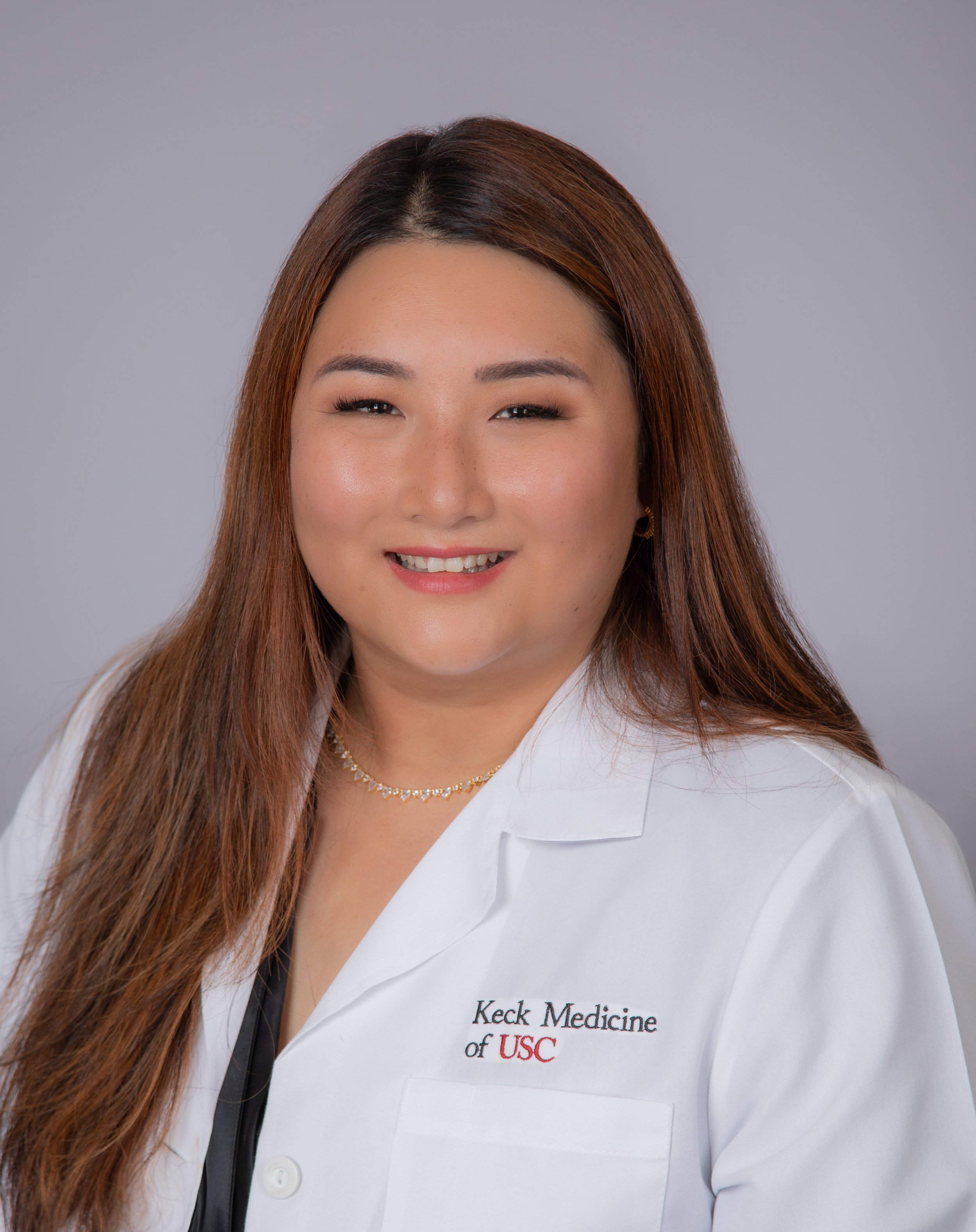
We sat down with Dr. Elizabeth Zhang-Velten, MD, PhD, a radiation oncologist at Keck Medicine of USC Newport Beach – Radiation Oncology and Imaging and a clinical assistant professor of radiation oncology at the Keck School of Medicine of USC. With three years of clinical practice, Dr. Zhang-Veltenbout shares insight into Low-Dose Radiation Therapy, an emerging treatment approach gaining attention for its potential to relieve chronic inflammatory conditions, and discusses how her training and expertise are shaping patient care in Orange County.
How did you first become familiar with Low-Dose Radiation Therapy (LDRT)?
I became familiar with Low-Dose Radiation Therapy through colleagues who discussed publications from European research and medical groups that have used this technique for decades. As more long-term clinical study data have been published, this technique has now gained momentum in the U.S.
For those who may be unfamiliar, how would you explain Low-Dose Radiation Therapy in simple terms?
Low-Dose Radiation Therapy takes advantage of the fact that the cells most sensitive to radiation (a specific type of white blood cell called lymphocytes) are also the culprits behind chronic inflammatory diseases like osteoarthritis and plantar fasciitis. This allows radiation doctors to target these painful areas with very gentle doses of radiation so that the underlying inflammation can be treated while normal, healthy tissue is not harmed.
What makes LDRT different from traditional radiation used for cancer treatment?
The dose is key. Cancer treatment often involves doses of 60 to 70 units of radiation given over the course of several weeks. For comparison, LDRT uses a total of 3 units of radiation, delivered in 6 sessions over 2-3 weeks. I’ve treated patients in their 80s and 90s who have had only mild fatigue through the radiation and an excellent reduction in their pain.
What types of conditions are best treated with LDRT?
LDRT can treat osteoarthritis, plantar fasciitis, tendinopathies and Dupuytren’s contracture. In fact, 2025 was an especially exciting year in the field of radiation medicine because the results of a randomized, placebo-controlled trial demonstrated the benefit of LDRT for knee osteoarthritis.
How soon do patients usually begin to notice improvement in mobility or reduction in pain?
Most of my patients describe improvement of their pain and range of motion even before they’re done with all 6 radiation sessions.
Are there specific patient success stories or outcomes that stand out to you?
Recently, one of my patients walked up to me during her visit and proudly showed me that she can now open and close her hands without pain. She said she was “thrilled,” and she was only four sessions in!
What are the most common concerns patients have about radiation therapy?
I am asked often if the radiation will cause burns or hair loss. Luckily, the dose is so low with this therapy that we don’t see these side effects.
What are the side effects associated with LDRT? How does its safety profile compare to other treatments like injections, medications, or surgery?
We typically only see mild fatigue after this radiation. As a result, it’s noninvasive as compared to injections or surgery. Medications such as NSAIDs like Advil and Aleve are options, but patients sometimes cannot take them due to the risk of ulcers or kidney disease. Overall, LDRT is a great option for patients who haven’t had improvement with injections or medications and who don’t want or can’t have surgery.
Are there any patients for whom LDRT is not recommended?
If someone has a syndrome that makes them more sensitive to radiation (e.g. ataxia-telangiectasia), I would recommend a different therapy.
What does a typical LDRT appointment look like—from arrival to completion?
In total, seven appointments are needed after your consultation, of which six are treatments.
The first appointment is a mapping session, during which a mold of your body is made so we can reproduce your positioning every time. Then you get a CT scan in that position. This mapping session should take less than an hour. You go home after that mapping scan so that, behind the scenes, I can use your CT images to determine where the dose should go. For example, when drawing a treatment volume for an arthritic knee, I’ll draw not only the knee joint space but also the affected tendons and fluid spaces (bursae). This helps me plan how the radiation will be targeted.
About a week later, you’ll come back for six 20-minute appointments during which you'll lie down on the radiation machine while being positioned in the mold we created at your mapping session. The radiation treatment takes only a few minutes, but I tell my patients to expect 20 minutes because we spend time making sure you’re aligned appropriately by comparing real-time images from the treatment machine to your original images from your mapping CT.
Is there any downtime or post-treatment care required?
No, there’s no downtime. In fact, Usain Bolt flew to Germany in 2016 to get this treatment on his Achilles and foot before he won gold in Rio. I can’t think of a more rigorous stress test of this treatment's effectiveness and lack of downtime than an Olympian’s regimen!
LDRT has been used in Europe for decades. Why do you think it’s just now gaining traction in the United States?
I think it’s because, in recent times, we finally obtained randomized data on the effectiveness of this treatment.
How is your Newport Beach team uniquely positioned to deliver this therapy?
Our team is uniquely positioned to deliver this therapy because we have meticulous and caring radiation therapists, a strong physics team and the commitment of all of the radiation faculty, not only at Newport Beach but also throughout Keck Medicine of USC and other regional clinics, to reviewing every single case and ensuring that it meets the standards of our academic medical center.
How can someone determine if they are a good candidate for LDRT?
If they have a diagnosis of osteoarthritis or another chronic inflammatory pain condition, I would encourage them to reach out to our clinic for a discussion.
Is there anything else you’d like readers to know about this therapy or your work with it?
I get asked sometimes if tattoos are necessary. We have something better than tattoos: surface-guided radiation therapy. Radiation tattoos will not be placed for your treatment.
Contact Information:
To request a consultation, call (949) 776-0834
www.keckmedicine.org/provider/elizabeth-ren-zhang-velten
Follow on IG, YouTube, and TikTok: @dr_lizzhang